



No two shop floors look the same, but after years of designing, building and integrating custom industrial and mill equipment, our team at Machine Concepts knows a red flag when we see one. An ongoing project with a major steel producer is one of the clearest reminders yet of what’s at stake when equipment modernization gets pushed to the back burner.
The company had inherited 40- to 50-year-old equipment — coated in grease, impossible to maintain, and too limited for modern high-strength alloys. Most telling was their setup process: their resource was a sheet of paper filled with numbers no one could explain. No one knew where those numbers came from or what they truly meant. The operators who once had those answers had already retired.
Disappearing Tribal Knowledge: An Industry-Wide Problem
A loss of shop floor tribal knowledge isn’t an isolated issue; it’s happening industry-wide.
- The median age of manufacturing workers is 44.3 years, and 26% of the workforce is age 55 or older. This means approximately 3.9 million workers are approaching retirement.
- There is a 5:2 retirement-to-replacement ratio in manufacturing, construction and other skilled trades — five workers are leaving for every two entering.
- 97% of manufacturers are concerned about how the loss of undocumented knowledge will affect productivity and operational costs.
What Knowledge Loss Actually Looks Like on the Shop Floor
When experienced operators retire, and those who replace them are left to decode aging equipment, what remains is guesswork dressed up as process.
In the steel producer’s case, that sheet of paper was the only link between the institutional knowledge of the past and the operators of the present.
When outdated machinery performs inconsistently or experiences breakdowns, that increases operator frustration, process inefficiency and safety hazards. This is not the environment where young, skilled and motivated workers choose to stay.
How Up-To-Date Equipment Closes Skills Gap, Builds Operator Confidence
Modern, well-engineered equipment does more than restore operational efficiency — it closes the skills gap from the inside out. For example, a modern machine with a well-designed HMI gives operators real-time feedback on critical parameters, building confidence in both the equipment and the process. When set points are clear and the machine responds predictably, job satisfaction follows.
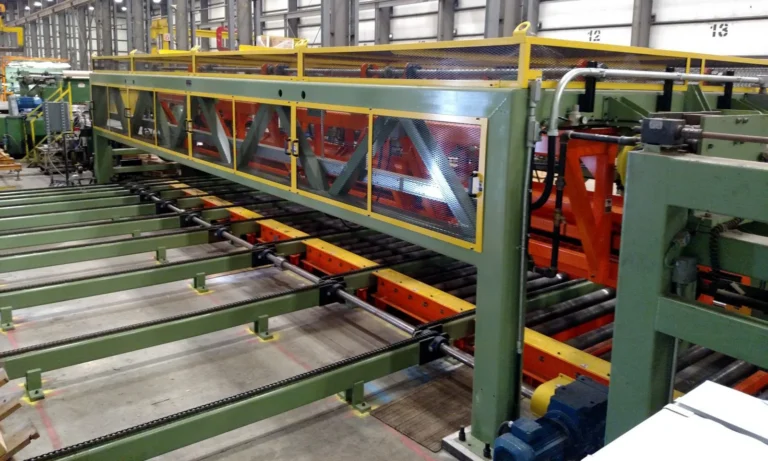
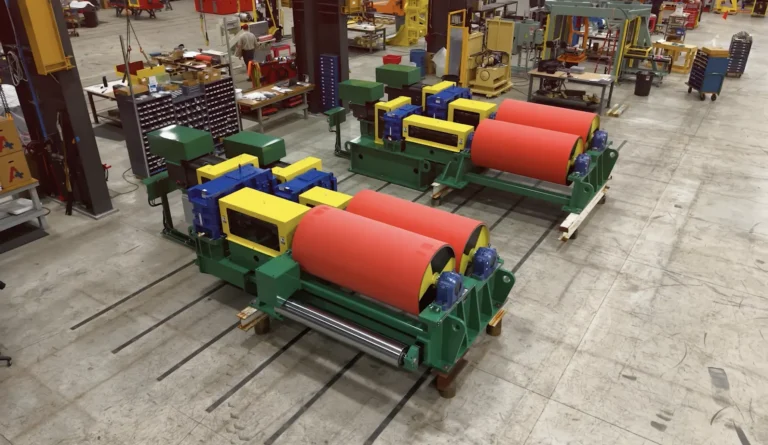
That’s just one of the outcomes we’re working toward with the steel producer. Machine Concepts designed and built a custom tension-leveling system slated for installation in early June. While it will significantly improve the line’s tension capacity and shape correction capabilities, its impact on the workforce is equally important.
Operators will now have clear visibility into set points and line capabilities, giving them the foundation to take pride in their work and trust that the equipment is both capable and safe.
At a time when attracting and retaining skilled young workers is more critical than ever, the human impact of modernizing your shop floor cannot be overlooked.
Is Your Shop Ready for the Next Generation of Operators?
If your operators are running their machine off a mystery sheet of numbers — or if everything would grind to a halt if that sheet disappeared tomorrow — it’s time to take a hard look at the equipment on your floor.
The right machine doesn’t just improve throughput. It meets your workforce where they are, gives them something to learn from and builds the kind of confidence that keeps good people on the floor for a long time.
Ready to give your operators the tools — and confidence — they need to succeed?